

Solutions in Action

Accessible Medical Equipment Deadlines Are Approaching: What Continuum of Care Providers Should Know for 2026

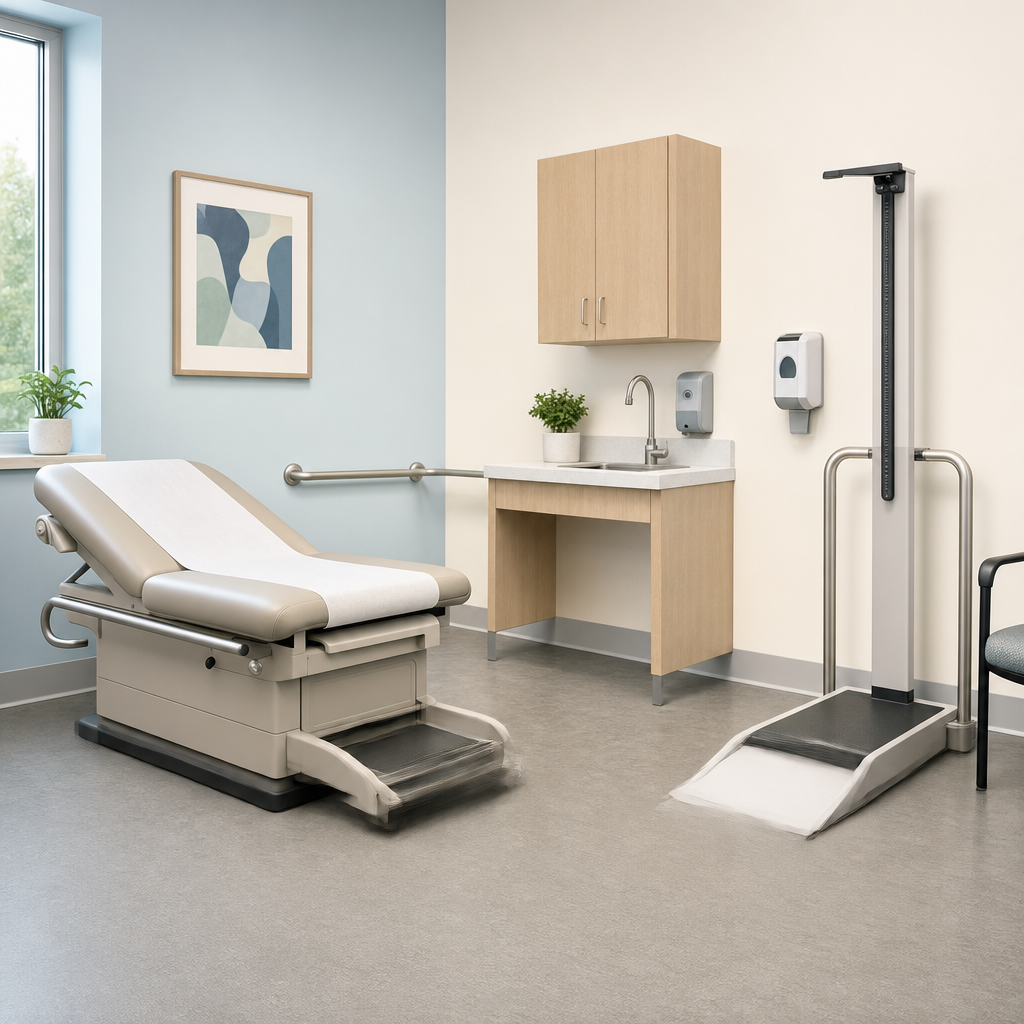
Accessible medical equipment plays a direct role in the quality, safety, and dignity of care delivery. When patients cannot safely transfer onto an exam table, be accurately weighed, or complete a diagnostic exam without assistance, clinical decision-making suffers — and so does the patient experience. For individuals with mobility limitations, inaccessible equipment can delay diagnoses, compromise treatment plans, or prevent care altogether.

Accessible Medical Equipment Deadlines Are Approaching: What Continuum of Care Providers Should Know for 2026

Accessible medical equipment plays a direct role in the quality, safety, and dignity of care delivery. When patients cannot safely transfer onto an exam table, be accurately weighed, or complete a diagnostic exam without assistance, clinical decision-making suffers — and so does the patient experience. For individuals with mobility limitations, inaccessible equipment can delay diagnoses, compromise treatment plans, or prevent care altogether.

Smart Vaccine Management: Preparing for Fall and Flu Season

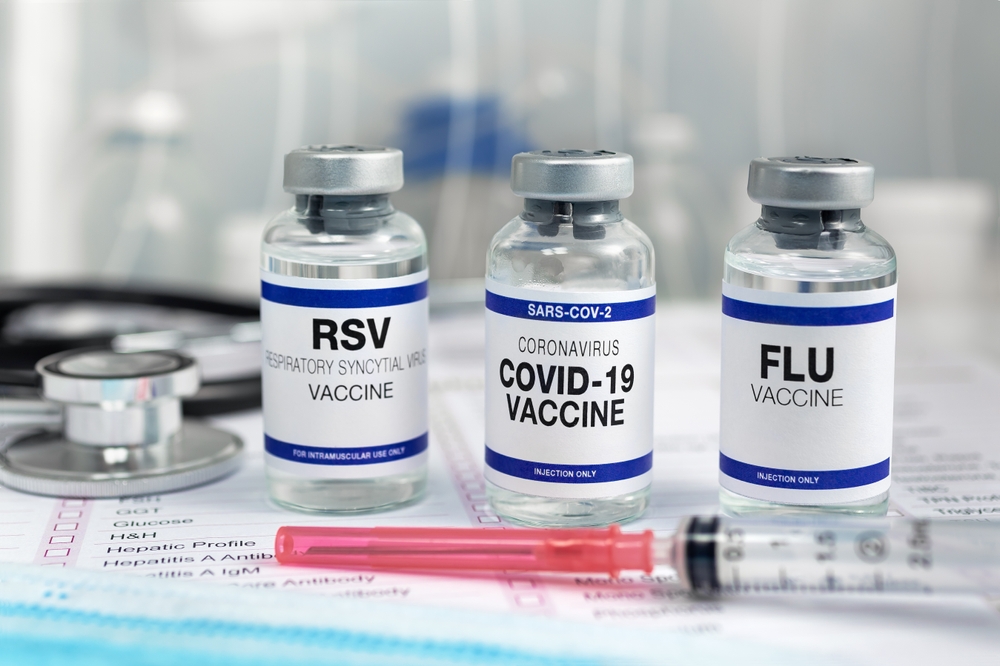
As fall approaches, physician practices begin preparing for the surge in respiratory illnesses by reviewing their vaccine inventory. This isn’t just a clinical necessity — it’s a financial imperative. A single undocumented vaccine can result in hundreds of dollars in lost revenue, and poor inventory management can lead to thousands in waste.1

Navigating the Storm: How Pharmacies Can Prepare for Crisis Events

Natural disasters like hurricanes, wildfires, floods and earthquakes can paralyze entire communities. Roads become blocked, power outages last for days to weeks and essential services are disrupted. One often-overlooked consequence is the sudden inaccessibility of medications.

Nourishing the Mind: The Role of Nutrition in Cognitive Health for Long-Term Care Residents

In long-term care facilities, proper nutrition is a cornerstone of maintaining and enhancing cognitive function among elderly residents. As individuals age, their nutritional needs evolve, and deficiencies in essential nutrients such as vitamin B, omega-3 fats, and antioxidants can significantly impact brain health and cognitive function. Therefore, it’s crucial for caregivers and healthcare professionals to have a thorough understanding of the unique dietary requirements of older adults. By identifying and addressing potential nutrient gaps, care teams can help prevent cognitive decline, support mental clarity, and ultimately contribute to higher quality of life for residents.1

Powering Care: Addressing Energy Challenges in Continuum of Care Facilities

Healthcare is the second most energy-intensive industry in the U.S., with annual energy expenditures surpassing $6.5 billion. For continuum of care providers, maintaining uninterrupted power for critical systems — such as climate control, sterilization and patient monitoring — is essential but costly. As energy demand grows, so does the urgency for cost-effective, sustainable solutions.1

Accessible Medical Equipment Deadlines Are Approaching: What Continuum of Care Providers Should Know for 2026

Accessible medical equipment plays a direct role in the quality, safety, and dignity of care delivery. When patients cannot safely transfer onto an exam table, be accurately weighed, or complete a diagnostic exam without assistance, clinical decision-making suffers — and so does the patient experience. For individuals with mobility limitations, inaccessible equipment can delay diagnoses, compromise treatment plans, or prevent care altogether.

Smart Vaccine Management: Preparing for Fall and Flu Season

As fall approaches, physician practices begin preparing for the surge in respiratory illnesses by reviewing their vaccine inventory. This isn’t just a clinical necessity — it’s a financial imperative. A single undocumented vaccine can result in hundreds of dollars in lost revenue, and poor inventory management can lead to thousands in waste.1

Navigating the Storm: How Pharmacies Can Prepare for Crisis Events

Natural disasters like hurricanes, wildfires, floods and earthquakes can paralyze entire communities. Roads become blocked, power outages last for days to weeks and essential services are disrupted. One often-overlooked consequence is the sudden inaccessibility of medications.

Nourishing the Mind: The Role of Nutrition in Cognitive Health for Long-Term Care Residents

In long-term care facilities, proper nutrition is a cornerstone of maintaining and enhancing cognitive function among elderly residents. As individuals age, their nutritional needs evolve, and deficiencies in essential nutrients such as vitamin B, omega-3 fats, and antioxidants can significantly impact brain health and cognitive function. Therefore, it’s crucial for caregivers and healthcare professionals to have a thorough understanding of the unique dietary requirements of older adults. By identifying and addressing potential nutrient gaps, care teams can help prevent cognitive decline, support mental clarity, and ultimately contribute to higher quality of life for residents.1

Powering Care: Addressing Energy Challenges in Continuum of Care Facilities

Healthcare is the second most energy-intensive industry in the U.S., with annual energy expenditures surpassing $6.5 billion. For continuum of care providers, maintaining uninterrupted power for critical systems — such as climate control, sterilization and patient monitoring — is essential but costly. As energy demand grows, so does the urgency for cost-effective, sustainable solutions.1