
Understanding the Challenge
Falls cost senior living and other LTC providers hundreds of thousands of dollars annually. A recent report estimates the average direct cost at $380,000 per location, with larger providers seeing costs exceed $700,000.1 Assisted living communities report an average of 378 falls per year, while skilled nursing facilities average 278. Since the COVID-19 pandemic, 1 in 5 providers say fall rates have increased.1
The consequences are significant:1
- 24 percent of falls result in residents moving to higher levels of care.
- 1 in 7 move-outs is fall-related.
- Temporary relocations cost skilled nursing providers $250 per day, often lasting up to three weeks.
With rising acuity and staffing pressures, fall prevention is no longer optional — it’s essential.
Multifaceted Challenges in Fall Prevention
LTC communities face a range of challenges that span staffing, resident health and environmental factors. Staffing shortages can limit supervision and slow response times, while gaps in training and communication may lead to missed warning signs or inconsistent care.2
Residents and patients often present with complex health needs — mobility limitations, cognitive impairment and chronic conditions — all of which increase fall risk. Medication side effects such as dizziness or drowsiness can further compromise stability, and fear of falling may cause residents to limit movement, weakening muscles and increasing vulnerability.3
Environmental hazards also play a significant role: Poor lighting, cluttered walkways and uneven flooring are common contributors to falls. Even when safety protocols are in place, inconsistent implementation and limited resources, such as funding, equipment or staff time, can hinder effective prevention efforts.4
Solutions for Fall Prevention: Strategic Sourcing That Supports Safety and Efficiency
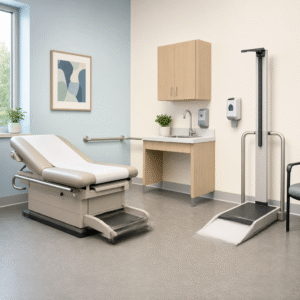
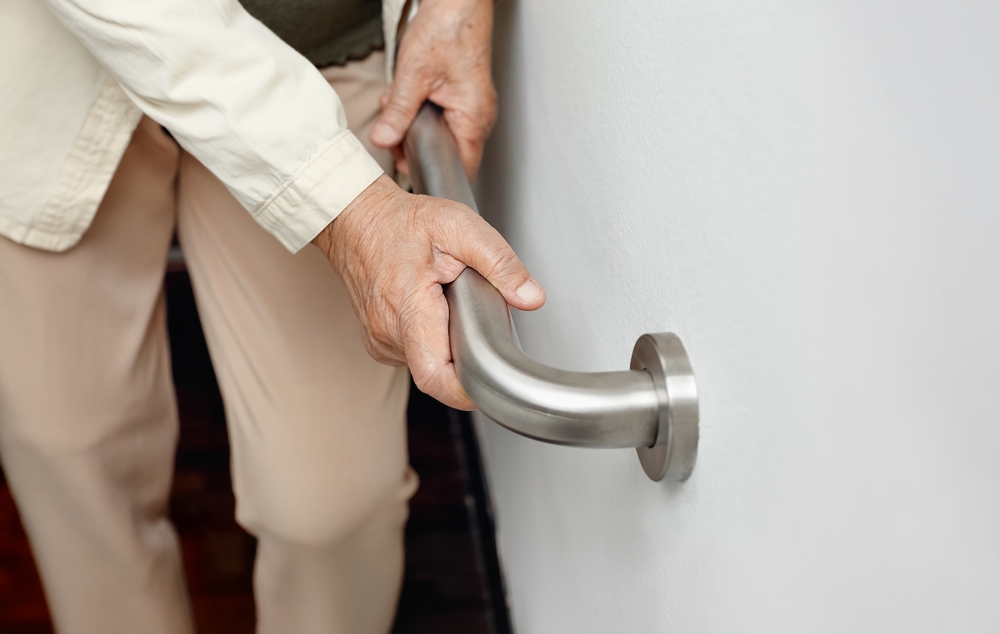
LTC leaders can drive meaningful impact by investing in products and technologies that proactively address fall risks. Key product categories include environmental safety enhancements such as non-slip flooring, handrails, grab bars and low-glare lighting.5 Monitoring and alert systems, such as bed and chair alarms, motion sensors and wearable alert devices, enable faster staff response and real-time risk mitigation.6
Mobility support tools, including walkers, transfer aids and fall mats, reduce strain on staff and support safer movement for residents.7 Additionally, furniture and room design elements such as adjustable beds, ergonomic seating and clutter-free layouts can significantly reduce trip hazards.8
When evaluating suppliers and purchasing strategies, it’s important to look for suppliers that offer bundled solutions to streamline procurement and ensure product compatibility. Prioritizing suppliers who provide training resources and implementation support can help staff use products effectively and consistently. Partners who offer data insights or reporting tools can also add value by helping facilities track fall-related incidents and measure product performance over time.
ROI and Operational Impact
Beyond clinical outcomes, fall prevention strategies can drive measurable improvements across financial, staffing and reputational metrics. By investing in the right tools and supplier partnerships, providers can strengthen both resident safety and operational performance in meaningful ways:
- Reducing falls can lead to fewer hospital transfers, lower insurance costs and improved resident satisfaction scores.9
- Investing in fall prevention tools can also reduce staff burnout by minimizing emergency response situations and improving workflow efficiency.10
- Facilities that demonstrate proactive safety measures may benefit from stronger regulatory compliance and enhanced reputation among families and referral sources.11
Innovatix: Helping Providers Save on Fall Prevention Products
Innovatix, Premier’s group purchasing organization (GPO) dedicated to long-term care and other continuum of care providers, connects senior living and long-term care facilities with a network of vetted, trusted suppliers offering specialized fall prevention solutions. Through our portfolio, providers gain access to essential products, such as motion monitors, bed alarms, wearable technologies and visual cues, at discounted, pre-negotiated rates.
By leveraging the power of group purchasing, Innovatix helps providers enhance resident safety and care quality while optimizing their budgets. Here’s a look at just some of our contracted suppliers in this space:
Contract Category | Supplier |
|---|---|
Restraints and Fall Prevention Products | DeRoyal |
Restraints and Fall Prevention Products | E.M. Adams |
Restraints and Fall Prevention Products | TIDI |
Fall Management Footwear | Encompass |
Fall Management Footwear | GCB Medical |
Fall Management Footwear | LSL |
Fall Management Footwear | Medegen |
Fall Management Footwear | O&M Halyard
|
Fall Management Footwear | S2S Global |
Mobility Aids | Cardinal Health |
Mobility Aids | J2 Medical |
Mobility Aids | LiftSeat |
Mobility Aids | Medline |
Mobility Aids | Medzah |
Mobility Aids | NOW Interactives |
Mobility Aids | S2S Global |
Ready to take the next step?
Complete the form to connect with our team and discover how Innovatix’s contracted suppliers can help equip your facility with the essential products, programs and expert support needed to enhance resident safety.
- https://www.mcknightsseniorliving.com/news/resident-falls-cost-providers-380000-per-year-on-average-report
- https://bmcgeriatr.biomedcentral.com/articles/10.1186/s12877-023-04435-7
- https://www.mcknights.com/blogs/guest-columns/falling-by-the-wayside
- https://pmc.ncbi.nlm.nih.gov/articles/PMC9523684
- https://fallpreventionfoundation.org/2025/06/26/walking-aids-to-prevent-falls-a-comprehensive-guide-to-safe-mobility-for-seniors
- https://fallpreventionfoundation.org/2025/06/24/silent-guardians-of-the-night-a-comprehensive-guide-to-bed-alarms-for-fall-prevention
- https://fallpreventionfoundation.org/2025/06/26/walking-aids-to-prevent-falls-a-comprehensive-guide-to-safe-mobility-for-seniors
- https://michaelhelwiginteriors.com/2017-blog/2024/2/23/clever-furniture-solutions-for-a-clutter-free-home
- https://www.ncoa.org/article/return-on-investment-of-evidence-based-falls-prevention-programs
- https://aihc-assn.org/building-a-culture-of-patient-safety-starts-with-reducing-staff-burnout
- https://www.kahnlawfirm.com/blog/2025/may/hospital-fall-risk-understanding-the-legal-landscape